For the past year I have focused a lot of tech-ed interest and energy into the professional development of educators. When I became entranced by the 21st century learner movement and the integration of technology my mind immediately went to my colleagues who would rather place a note in my mail box at school than send me an Email. Where was the investment in their training to learn all these technologies that were being promoted for students to infuse into their daily learning? Where was the investment in them to have the proper training so they could become successful 21st century educators?
Though I have lead several sessions of professional development in the past, this summer was my first time teaching to educators outside of our district. All the nervousness made me return to why I love technology in the first place; it forces me to constantly learn and evolve as a professional educator. With this in mind, here are a few tips straight from the rookie.
1. It's all about the connections. Our first day started off with so many smiles and 'how have you been?' Teachers who have not seen each other in years were reconnecting with each other. I met teachers who I will remember for what they taught me during the training. What I learned was that when having teachers from different districts come together, mix it up!
Learned:Next time I will make name plates and mix districts up at one table. I will take the time for an ice breaker so connections are made more freely.
2. Time. time is hard to come by in training and we didn't have enough. I liked hearing 'this could have been a full day' from multiple people and they are absolutely right. Steady as she goes when teaching and learning with technology tools.
Learned: Have a timer posted somewhere, such as the interactive white board. Make someone your timer to keep you on track and have a chime ready to keep discussions focused and bring attention back to a speaker. Also, slim down on the amount of topics being covered and invest more time in a few tools than trying to cover many.
3.Keep them calm and carry on. Dear Teacher Student, each session is a tool not a must, please don't get overwhelmed or frustrated that this is "one more thing" you need to do every day.
Learned: I did not make this idea clear enough because this thought comes naturally to me. I see each websites, each technology as one of many tools in my box to choose from, a feature of my bag of tricks.
4. Use humor. I am someone who needs to laugh at myself from time to time. It's my remedy for being so hard on myself. I firmly believe that there needs to be more laughter in professional development. We know learning is better embedded when tied to emotion, so let's apply this to our own learning too. Incorporate some Zumba like Jeff Pulver at #140edu or even a round of planetary simon says.
Learned: Find someone in the bunch who has a sense of humor too. They can be that key volunteer in the audience when you need a wing man or just a friendly, reaffirming source of eye contact.
5. Walk away with the positives. I am always looking to take challenges and turn them into learning opportunities. Take each challenge and mistake in the day and spin them into a chance to be better in the future. Ask people for feedback.
Learned: Introduce that google form I made for feedback in the beginning of the session and take the time to review it in the end.
6.You might be tired. Teaching adults takes energy. Eat well and keep water near.
Learned: pack more healthy snacks and plan a relaxing night.
I am looking forward to doing more professional development this year. Hopefully my goal of bringing teachers together in our district will continue to flourish. We are each such talented people at our jobs, it only seems natural that we should learn from one another and use technology to make connections and our schools stronger.
A special thank you to my administrator and board of educator for their constant support in my energy and help in planning these two days.
Showing posts with label #140edu. Show all posts
Saturday, September 3, 2011
Sunday, August 7, 2011
designed for learning
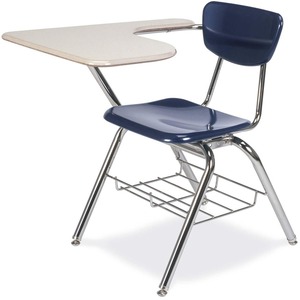
| Would you want to sit in this for eight hours? |
One of the speeches that catapulted the most reflections and cranial connections at #140edu was from designer creative Christian Long. Holding up a standard classroom plastic chair, Long pointed out that these were devices meant for the practical purpose of stacking and not to cater to the spinal comfort of its customer.
So, let's do some visualization. Think about your classroom (or one you have visited). Does it match much of the criteria that is outlined in this article from School Zone? Here are some ways to think about classroom space:
- The desire is for students to collaborate, but we separate them into rowed desks when personal space can be given in the form of cubbies or lockers. What socialization tools can be gained by learning how to share table space as an "our" space over a desk that is "my" space. I started using tables two years ago and would never go back.
- What if your walls became white walls where students mapped out ideas during collaboration. Bulletin boards were used for function, such as drop boxes and student work galleries. Wordy, graphic heavy posters that inspire distraction rather than genuine inspiration are gone.
- Less is more, it's time to purge my friend. Teacher desks have not been designed for real-life function post 1980; they are the shoulder pads of your classroom. Cut the chord, get creative. Use a smaller surface like a computer desk if needed (mine sits in the back of the room on wheels so it can be pushed against the wall) Get some magnet boards and spice containers for supplies like paper clips and use one shelf in your classroom closet for other every-day use items. When you need to work, spread out on student tables or relocate to the library. (Only if publishers shared this thought by making curriculum packages that had less than five pieces to store and manage.)
While in NYC for #140edu I visited the Google offices and was surrounded by space that was designed for thinking and collaboration. Walls in meeting rooms could be written on, healthy snacks were served freely and common areas for brain breaks include Lego's, ping pong tables and areas for exercise. If this is the ideal working environment for adults, why wouldn't we create this same type of environment for our children? When I day dream about the ideal classroom I think about if artists like Frank Llyod Wright, Mies van der Rohe or Davin Stole would take on the ultimate challenge of designing a functional learning space for students and adults. I would only assume that technology would be one of many considerations to their complete composition.
Other articles for classroom design:
From Really Good Stuff Blog
Some advice from Reading Teachers
2009 Open Architecture Challenge:Classroom
Incredible Teacher's Lounge transformation
Expanded thoughts and studies from Jane MacGregor (pdf)
Subscribe to:
Posts (Atom)